Your brand
Create the record, bind the tag, release the product, flag it and resolve the flag.
Live on our test network
How it works
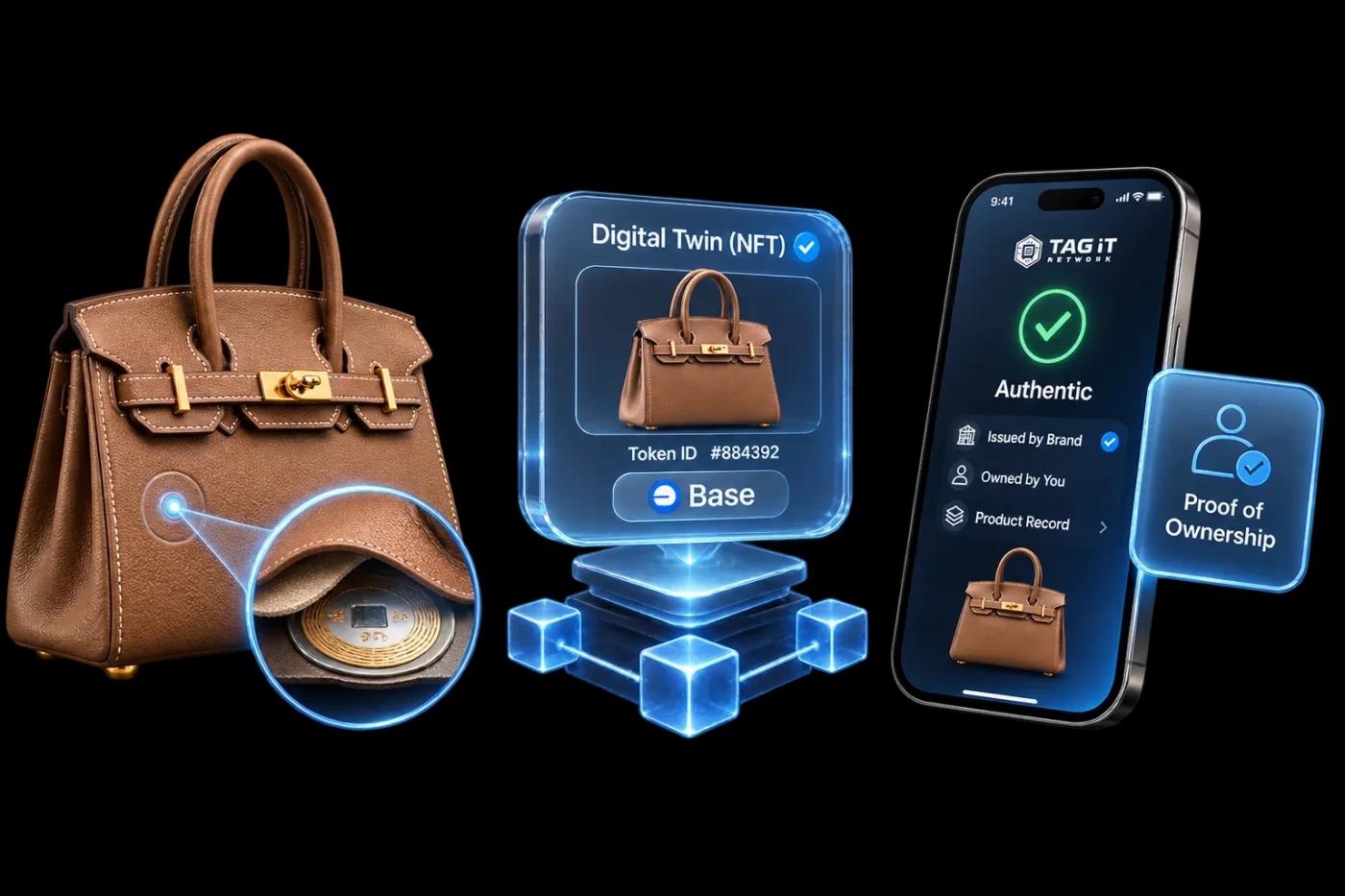
A secure chip in the product. A record on a public network that no marketplace owns. A tap that proves the two belong together. Here is how it works, in plain English.
01 — Identity
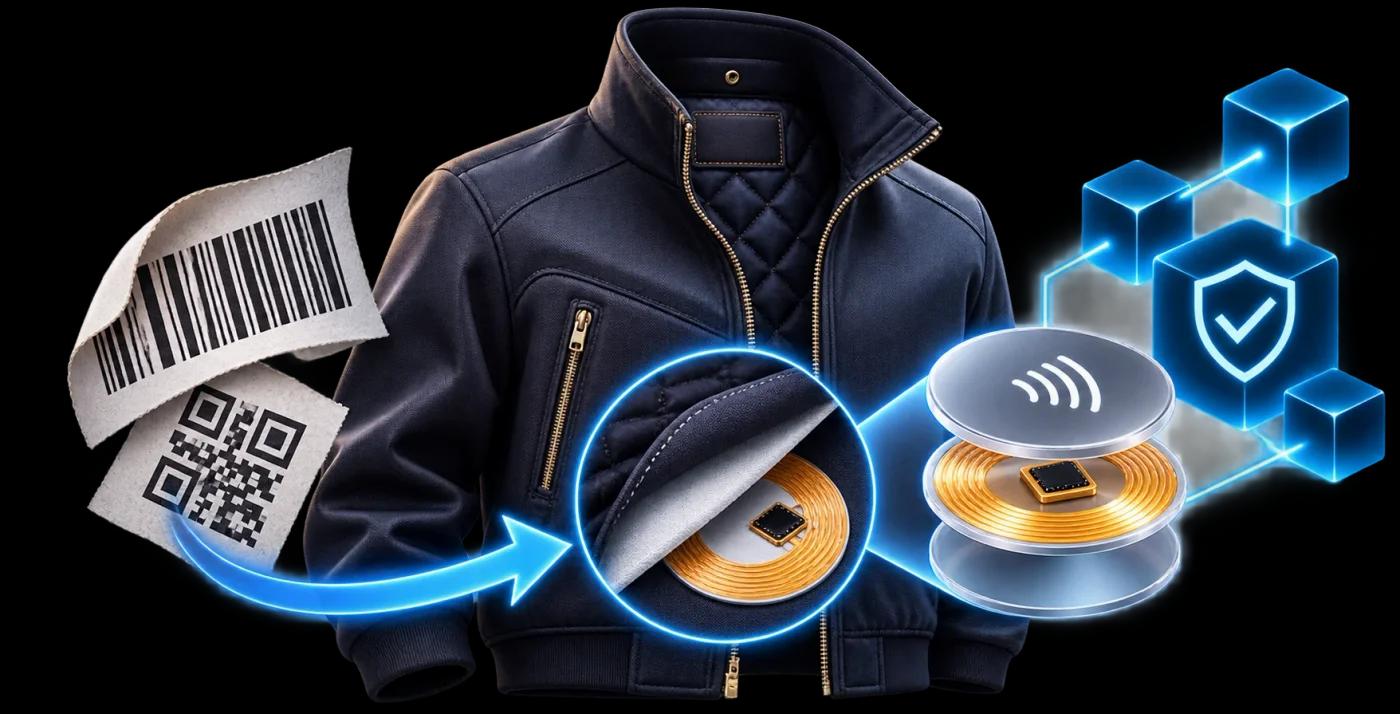
A barcode or a QR code is a link, and the link points wherever the printer chose, often a marketplace that owns the customer from then on. TAG IT gives the product a cryptographic identity instead: proof it is real, a record of its life, and a door back to your brand on every tap.
The record carries its data in a form compatible with the EU Digital Product Passport, so the passport your regulator will ask for is already there.
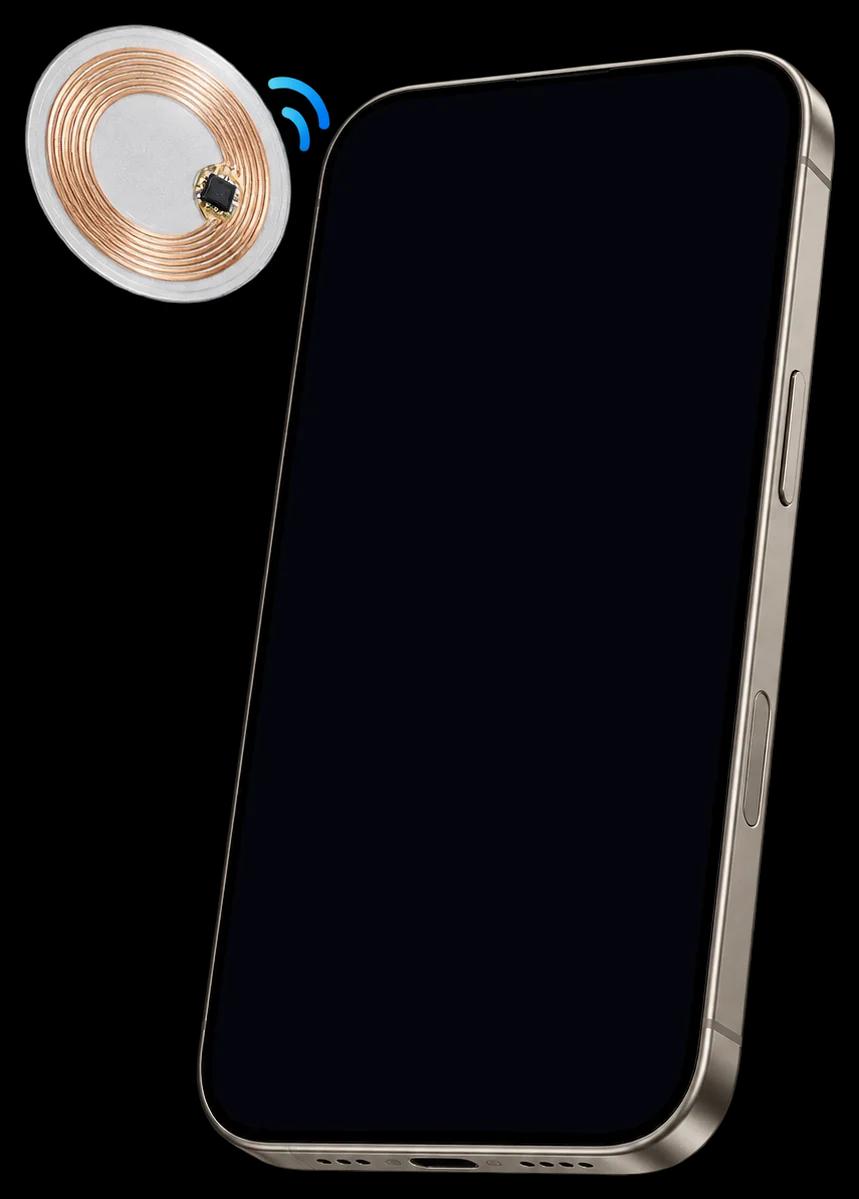
A secure NFC chip (NTAG 424 DNA) sealed into the product at the factory. It carries its own key and signs every tap.
An NFT, the product's digital twin, on Base. It holds the maker, the batch, the owner and every event since. Nobody can edit the past.
Your brand issues the record. The customer who buys the product holds it. The record always belongs to the owner, and the issuer is always you.
02 — The tap
Every tap makes the chip produce a fresh signed message. Our service checks that signature against the chip's key before it shows anything. A copied link, a photographed code or a cloned label cannot do that, because the secret never leaves the chip. The customer sees the record. The counterfeiter sees nothing.
No app is needed to check. The phone reads the tag and opens the record in a browser page. Owners who want to act, claim, hand over or flag, sign in with email in the app.
Authentic
Tag verified by TAG IT
CLAIMED
VERIFIED OWNER RATING
1,284 verified owner reviews
What a check proves
What it does not prove
03 — The life of the record
The record moves through fixed states, and the contract on the network decides which moves are allowed. A flagged product cannot be handed over. A recycled one cannot be revived. That is what makes the history worth trusting.
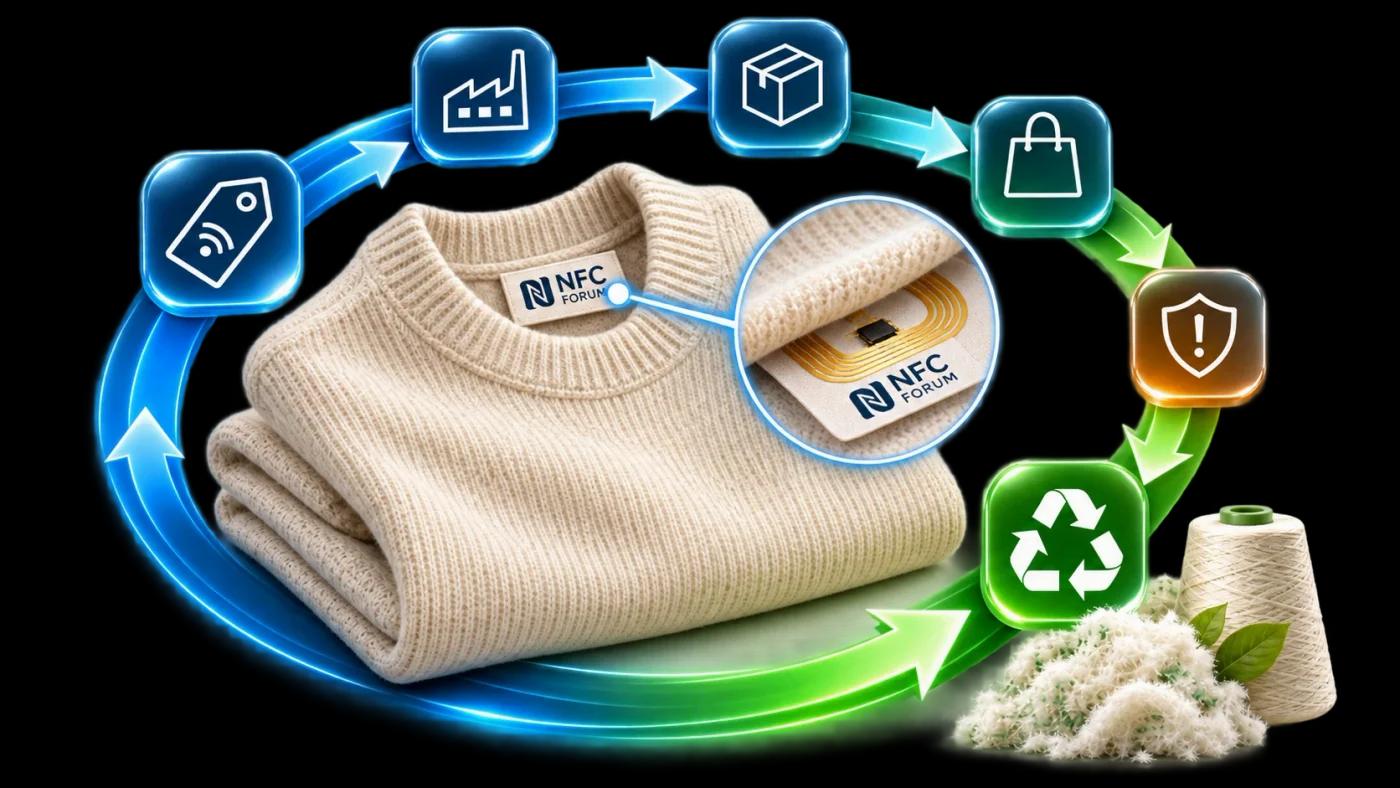
The record exists. The product has an identity before it has a tag.
The chip is tied to the record. From here the tag and the record are one thing.
Quality checked and released. The product is ready to sell.
A customer owns it. The record moves with every handover.
Lost, stolen or recalled. Every tap shows it, and it cannot change hands until resolved.
End of life, closed for good. A recycled product cannot come back as a new one.
Seven states in all, counting the empty one before a record exists. When a flag is resolved the product returns to the state it was in before.
04 — Who controls what
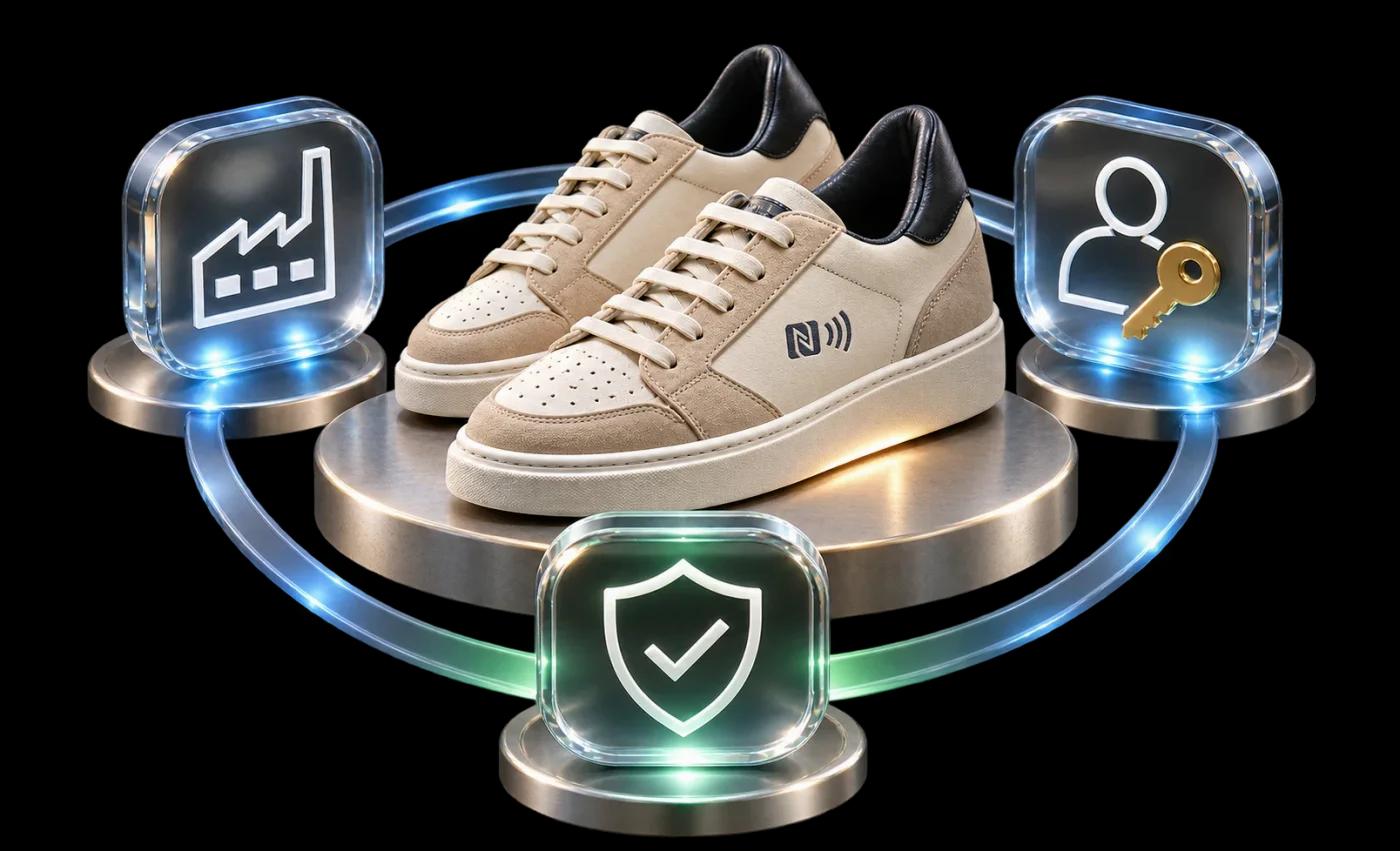
The record lives on Base, a public network. It is not locked in our database and not in a marketplace's. Your brand holds the issuer role, your customer holds the product, and the contract, not an app, decides who may do what.
Your brand
Create the record, bind the tag, release the product, flag it and resolve the flag.
Live on our test network
The owner
Claim the product, hand it over, list it for sale, flag it as lost or stolen.
Live on our test network
Anyone holding it
Tap it and check it against the record. No wallet, no app, no account.
Live on our test network
Every tap is a visit to your brand. The customer lands on your record and your assistant, not on a listing page that sells them someone else's product next.
05 — From your dashboard
Most of a product's life happens after the sale. The business app is where your team handles what comes up, in seconds, from one screen.
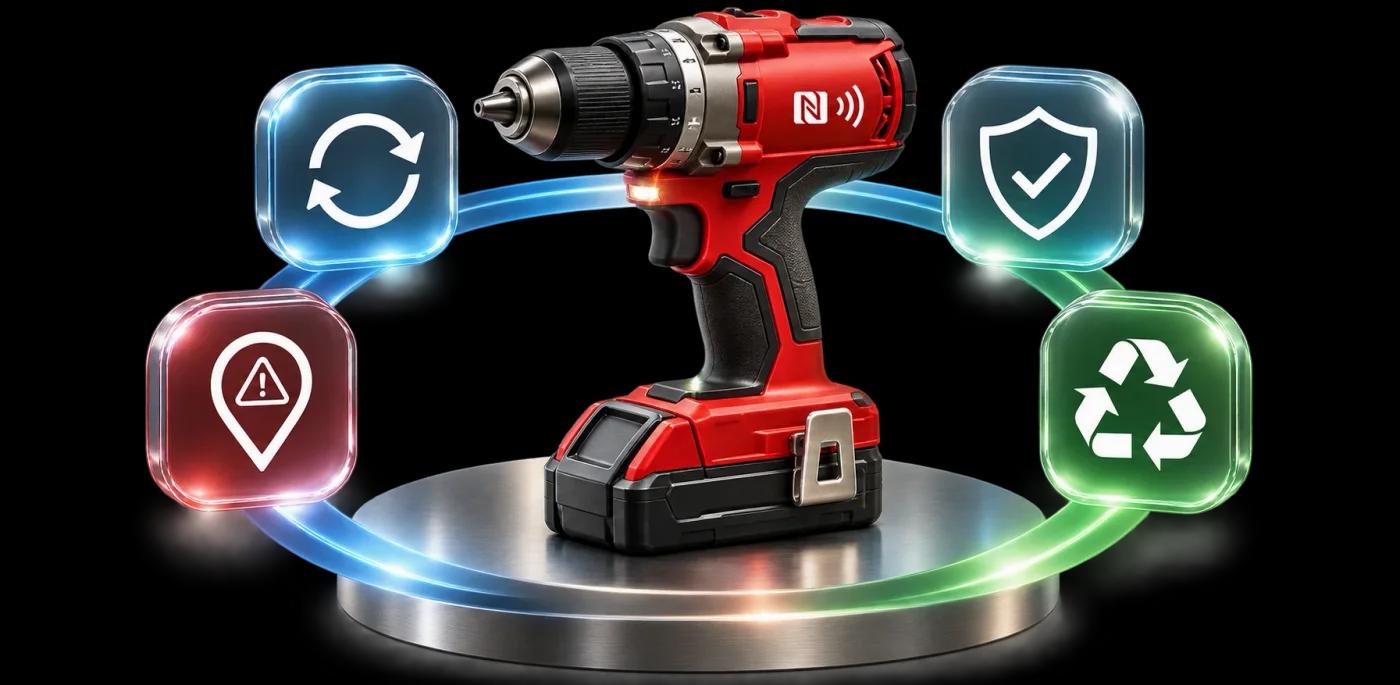
Flag the product from your dashboard, or let the owner flag it from the app. From that second every tap, anywhere, shows the flag, and the product cannot be handed over until the case is closed.
Flag the affected products and every later tap tells the holder to stop and contact you. Recall workflows for whole batches are scoped with your team in the pilot.
The record shows when the product was activated and who claimed it, so a warranty question is a tap, not a receipt hunt. Warranty terms can be stored on the chip itself.
When a product reaches end of life, the record is closed with a recycle action. The recycler can prove what it processed, and the identity cannot be reused on a fake.
06 — Ready for what buys next
The next buyer may not be a person. Shopping assistants, resale platforms and brand agents already read product data before they recommend or buy. A barcode gives them a number. A TAG IT record gives them a signed history they can check through public tools, and an agent-to-agent channel to ask your brand's own agent a question.
That is what makes the product ready for the next generation of marketplaces: places where a machine checks the record before money moves, and where your brand is in the conversation.
What an agent can do today
Check a product
Verify a record and read its history through the public tools, with no key.
See a flag
Ask whether a product is flagged before recommending or buying it.
Talk to your agent
Reach the brand's agent through the agent network to ask about a product.
Use any model
ChatGPT, Claude, Gemini and others connect through the same open interface.
Side by side
The barcode did its job for fifty years: it identifies a product type. It was never built to prove anything about one specific item. The smart tag is.
| Question | Barcode or QR | TAG IT smart tag |
|---|---|---|
| Can it be copied? | Yes. Print it again. | No. The chip signs every tap with a key that never leaves it. |
| What does a scan prove? | A number was printed somewhere. | This exact chip was present, and what its record says. |
| Who owns the product? | Unknown. | The recorded owner, updated on every handover. |
| Where has it been? | Nothing. A barcode has no memory. | Every checkpoint and every state, from factory to recycling. |
| Lost, stolen or recalled? | No way to tell. | Flagged on the record. Every later tap shows it. |
| Where does the scan lead? | Wherever the printer pointed it. Often a marketplace you do not control. | To your brand's record and the assistant in your app. |
| Can an AI agent trust it? | No. A number tells it nothing about whether the product is real. | Yes. The agent asks the network and gets a signed answer: this product is real, this is its owner, and it is not flagged. |
| Does it fit the existing process? | Yes. | Yes. The barcode can still be printed on the tag label, so scanners and systems keep working. |
Look to the future, today
Humanoid robots, smart appliances, autonomous warehouses and AI buyers are all on their way, and every one of them needs the product to speak for itself. The record lives on the network and the chip is chosen per product line, so a product tagged today is ready for readers that do not exist yet.
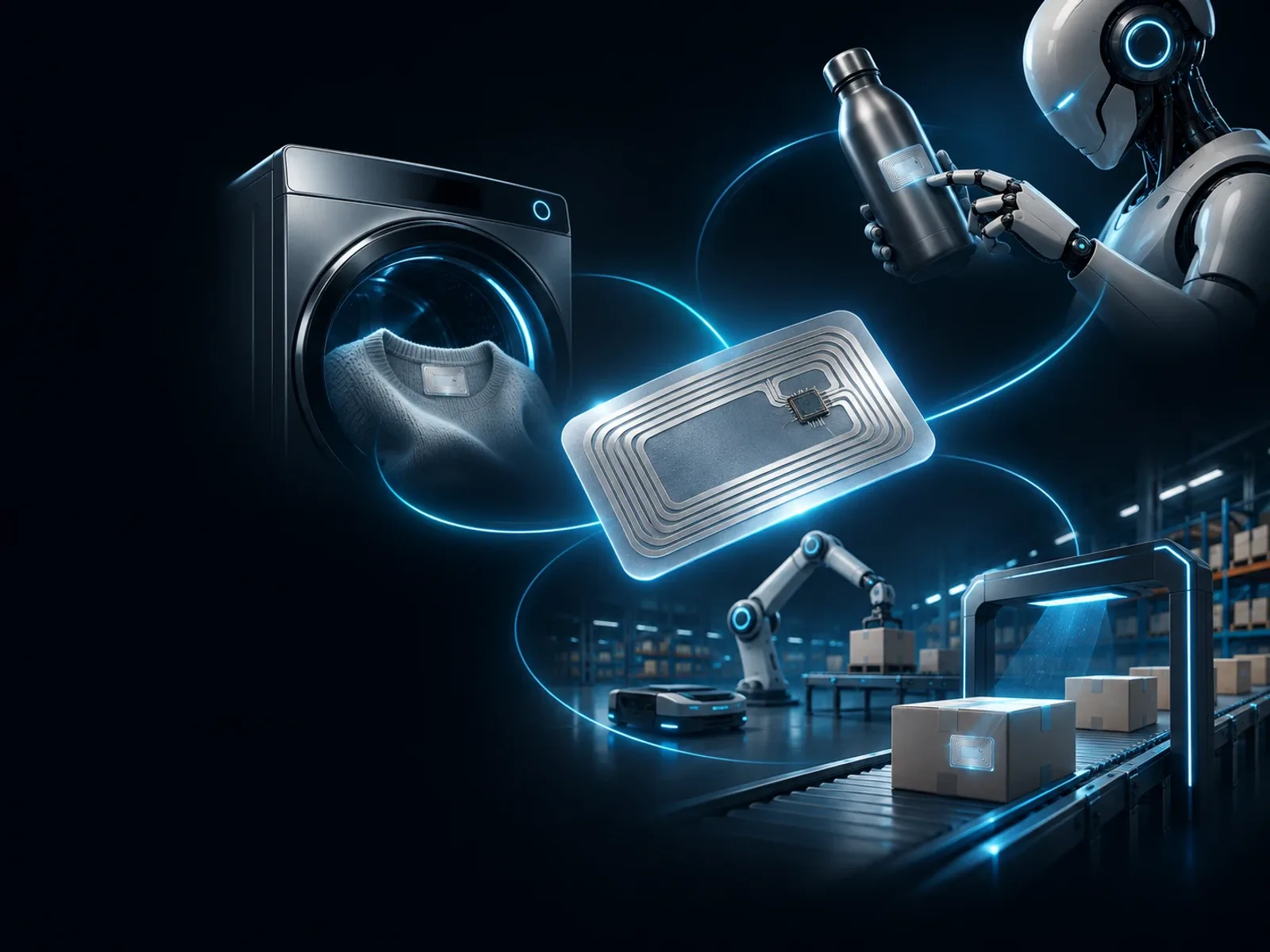
A humanoid helper in the kitchen or the laundry reads the product before it touches it. The tag carries the rules: this pan is not dishwasher safe, this jacket is wool, this drill needs the guard on. The rules live with the product, so every robot gets them right, not only the one that was trained on it.
A washing machine reads the garment and picks the right cycle. A dispenser reads the chemical and doses it correctly. The warranty terms and the care sheet sit on the chip itself, readable with no internet, in a basement or on a ship, ten years from now.
An assembly's record links to the records of its parts, parent to child, so a recall traces to the exact batch of one component. Carrier and warehouse readers log every carton as it passes, and a stolen shipment leaves a signed trail from its last checkpoint: the evidence an insurer asks for.
Robot rules and on-chip data run on the data-on-chip tag option. Parent-to-child links are part of the product record. Both are specified per pilot. See the hardware page for the chips.
Demonstrations
Each recording names its environment and date and shows the observed result. We do not publish simulations as live software; until a recording is verified, the slot says so.
Product verification
Recording pendingA phone taps the tag; the signed URL opens the record and the tag check result.
Base Sepolia test network
Ownership and handover
Recording pendingA business activates a bound item and the first owner is recorded.
Base Sepolia test network
Ownership and handover
Recording pendingThe recorded owner signs a handover and the record shows the new owner.
Base Sepolia test network
Flagged-item handling
Recording pendingAn item is flagged as lost; a handover is refused; the flag is resolved and the item returns to its prior state.
Base Sepolia test network
Business provisioning
Recording pendingA business mints records, binds tags with the reader bridge and activates the batch.
Base Sepolia test network
Product verification
Recording pendingA reused tap URL is rejected because the counter and signature no longer match.
Base Sepolia test network